-
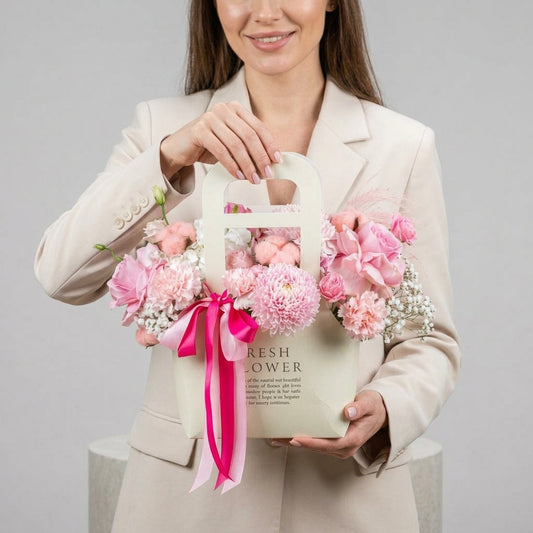
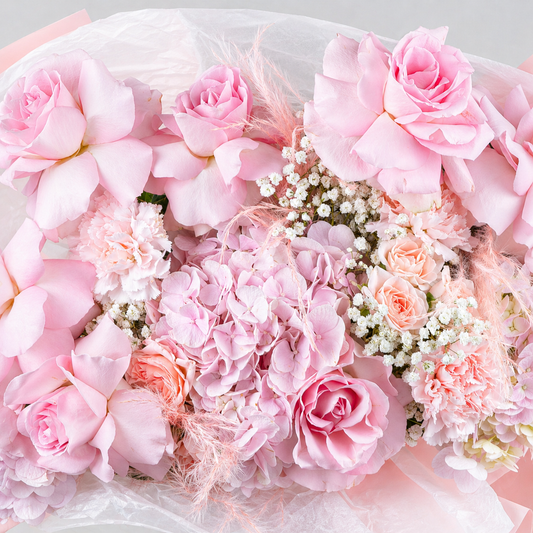
Blush Sorbet Tote
Regular price From Dhs. 210.00Regular priceUnit price per -
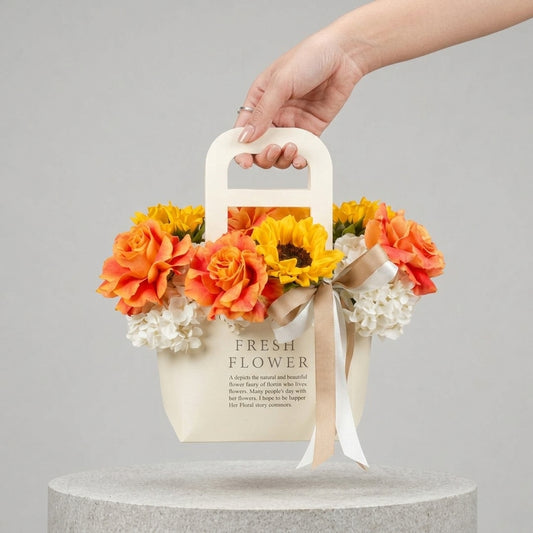
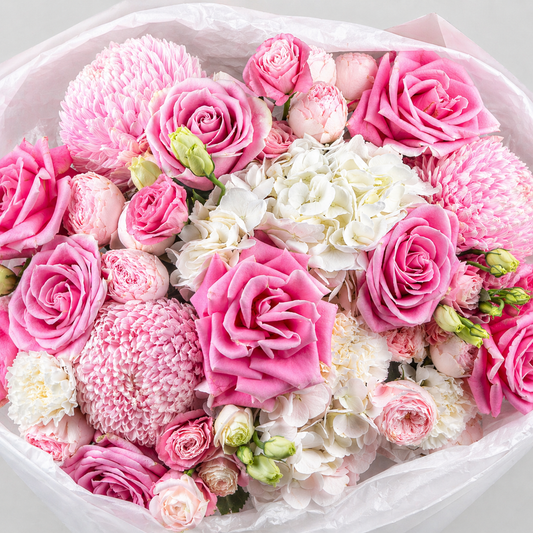
Sun-Kissed Harvest Tote
Regular price From Dhs. 170.00Regular priceUnit price per -
Saffron Sky Compact
Regular price Dhs. 280.00Regular priceUnit price per



-
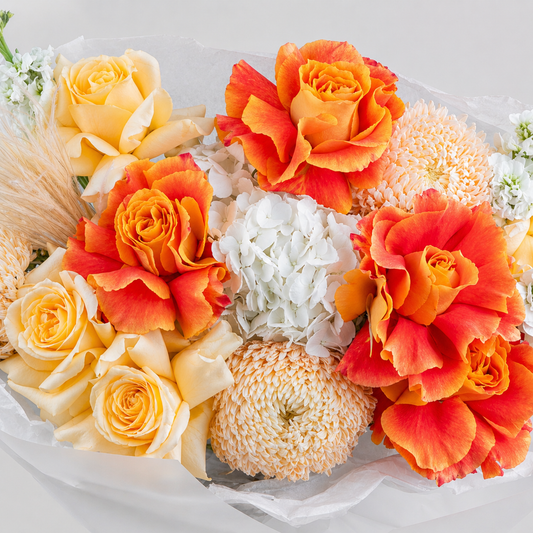
Desert Sunset
Regular price From Dhs. 160.00Regular priceUnit price per -
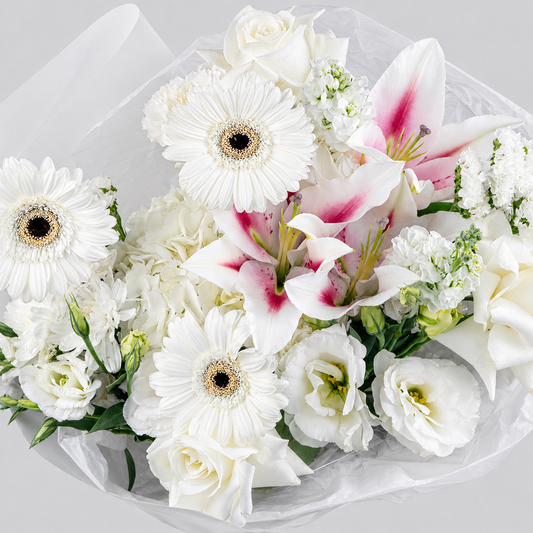
Pearl Radiance
Regular price From Dhs. 220.00Regular priceUnit price per -
Marshmallow Dream
Regular price From Dhs. 206.00Regular priceUnit price per -
Sorbet Symphony
Regular price From Dhs. 265.00Regular priceUnit price per -
Peach Sorbet
Regular price From Dhs. 261.00Regular priceUnit price per -
Golden Harvest
Regular price From Dhs. 180.00Regular priceUnit price per -
Saffron Sunset
Regular price From Dhs. 160.00Regular priceUnit price per -
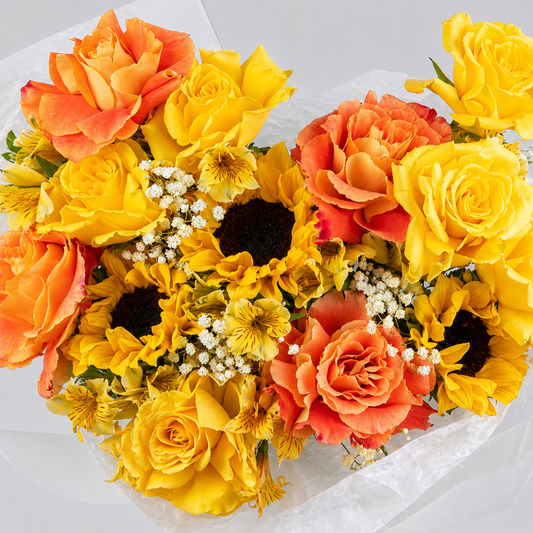
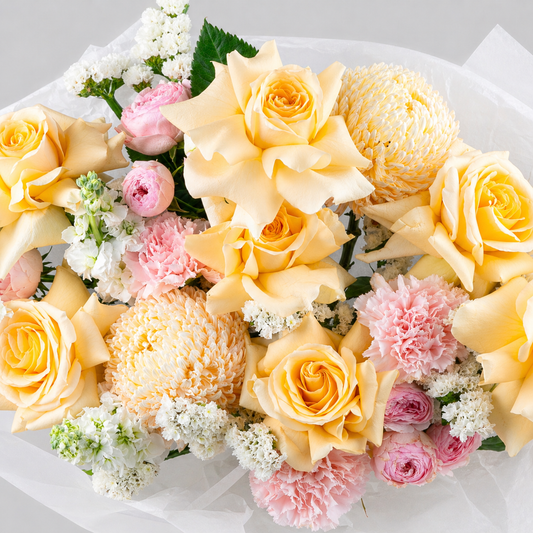
Sunlit Yellow Rose Bouquet
Regular price From Dhs. 160.00Regular priceUnit price per -
Golden Smile
Regular price From Dhs. 130.00Regular priceUnit price per









-
Desert Sunset
Regular price From Dhs. 160.00Regular priceUnit price per -
Rainbow Prism
Regular price From Dhs. 240.00Regular priceUnit price per -
Pearl Radiance
Regular price From Dhs. 220.00Regular priceUnit price per -
Marshmallow Dream
Regular price From Dhs. 206.00Regular priceUnit price per -
Spathiphyllum
Regular price Dhs. 240.00Regular priceUnit price per -
Golden Cotton Cylinder
Regular price From Dhs. 240.00Regular priceUnit price per -
Pastel Provence Cylinder
Regular price From Dhs. 290.00Regular priceUnit price per -
Pink Meadow Cylinder
Regular price From Dhs. 250.00Regular priceUnit price per -
Sorbet Symphony
Regular price From Dhs. 265.00Regular priceUnit price per -
Blush Sorbet Tote
Regular price From Dhs. 210.00Regular priceUnit price per -
Peach Sorbet
Regular price From Dhs. 261.00Regular priceUnit price per -
Sun-Kissed Harvest Tote
Regular price From Dhs. 170.00Regular priceUnit price per -
Golden Harvest
Regular price From Dhs. 180.00Regular priceUnit price per -
Saffron Sky Compact
Regular price Dhs. 280.00Regular priceUnit price per -
Saffron Fire Cylinder
Regular price From Dhs. 210.00Regular priceUnit price per -
Saffron Sunset
Regular price From Dhs. 160.00Regular priceUnit price per -
Sunlit Yellow Rose Bouquet
Regular price From Dhs. 160.00Regular priceUnit price per -
Golden Smile
Regular price From Dhs. 130.00Regular priceUnit price per






Get Well Soon Flowers
Bright, low-scent flowers to help someone feel a little brighter, handled with care for hospital wards and home recovery alike.
Sending Flowers to Help Someone Feel a Little Brighter
When someone is unwell, flowers are a small, quiet way of saying you are thinking of them — and getting the details right matters more than usual, since the recipient may be in a hospital ward, recovering at home, or somewhere in between. Every arrangement in this collection is arranged to order, and we recommend placing your order before the 9 PM same-day cutoff if you would like it delivered the same day in Dubai. This guide walks through what to know before ordering, whether the flowers are headed to a hospital or to someone recovering at home, and the small differences in what works well in each setting.
There is no single "right" way to send get-well flowers, and different situations call for different choices — a hospital stay comes with its own practical constraints that a home recovery simply does not have, which is why we treat the two settings separately throughout this guide rather than offering one generic set of advice for both.
Hospital Delivery: What We Need From You
Hospitals are not like a home or an office — many wards have specific rules around what can and cannot be brought in, and those rules exist for good reason. To deliver flowers to a hospital, we need the hospital name, ward, and patient name provided at checkout. With that information, our team confirms with the ward that flowers are accepted before delivering, rather than sending a courier to a ward that will simply turn the delivery away. This extra step takes a little more coordination on our end, but it means your gift actually reaches the person it is meant for, instead of being refused at the door or left with a stranger at a nurses' station.
It is worth knowing upfront that some wards do not accept flowers at all — intensive care units (ICU) among them. This is not a policy of ours; it reflects rules set by the hospitals themselves, generally around infection control, limited space at a bedside, or the general condition of patients in more intensive care settings. If you are not sure whether a specific ward accepts flowers, let us know when you order and we will check before attempting delivery, so you are not left uncertain about whether your gift arrived.
If Flowers Cannot Reach the Ward
Because we confirm with the ward before delivering, there is a chance we come back to you and let you know flowers are not accepted at that particular location. If that happens, it is worth having a plan B in mind — a potted plant sent to the patient's home for when they are discharged, or a gift directed to a family member waiting nearby, are both reasonable alternatives worth considering. We would always rather tell you flowers cannot be delivered than send them to a ward that will refuse them.
Which Flowers Suit a Hospital Setting
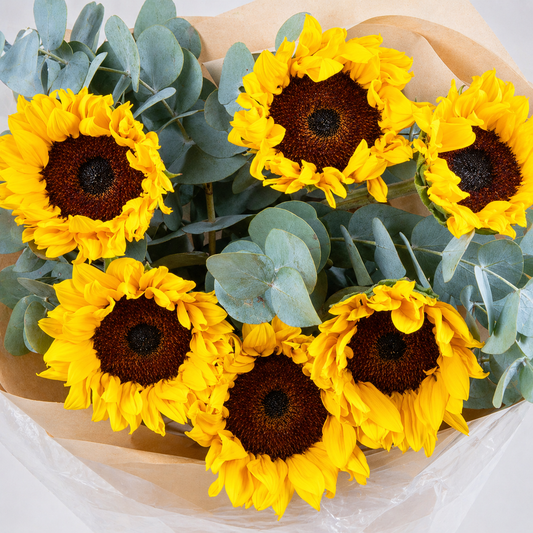
Not every flower is well suited to a hospital room, and this is worth thinking about even before ward restrictions come into play. We recommend sunflowers, yellow or peach roses, and alstroemeria for hospital deliveries — all of them bright without being overwhelming, and all relatively low-scent, which matters in a shared ward or a room with limited ventilation. Bright, cheerful colour without a heavy fragrance tends to be the right combination for a hospital bedside: something that lifts the mood of the room visually without adding a strong smell to a space where a patient may already be sensitive to strong scents.
On the other side of that, we would advise avoiding heavily fragranced blooms such as oriental lilies in a hospital setting specifically. Lilies are a beautiful flower and entirely appropriate in many other contexts, but their strong scent can be genuinely overwhelming in a small or shared hospital room, and some patients — particularly those with respiratory sensitivities — may find a heavily scented arrangement uncomfortable to have nearby. If you already had lilies in mind, consider saving them for a home-recovery gift instead, where scent is far less of a concern.
Vases and Containers: What Arrives Ready to Display
Hospital rooms rarely have much surface space, let alone a vase on hand, so the format of your arrangement is worth thinking about. Cylinder and box arrangements arrive ready to stand on their own, with no vase or extra step required from the recipient or the ward staff — you simply place them on a bedside table or windowsill and they are done. A hand-tied bouquet, by contrast, does not include a vase unless one is specifically added to the order, which matters more in a hospital context than almost anywhere else, since a patient or their visiting family are unlikely to have a vase with them at the bedside. If you are ordering for hospital delivery, a cylinder or box arrangement is generally the more practical, considerate choice — one less thing for a nurse or family member to sort out on a hospital ward.
Recovering at Home: More Room to Choose
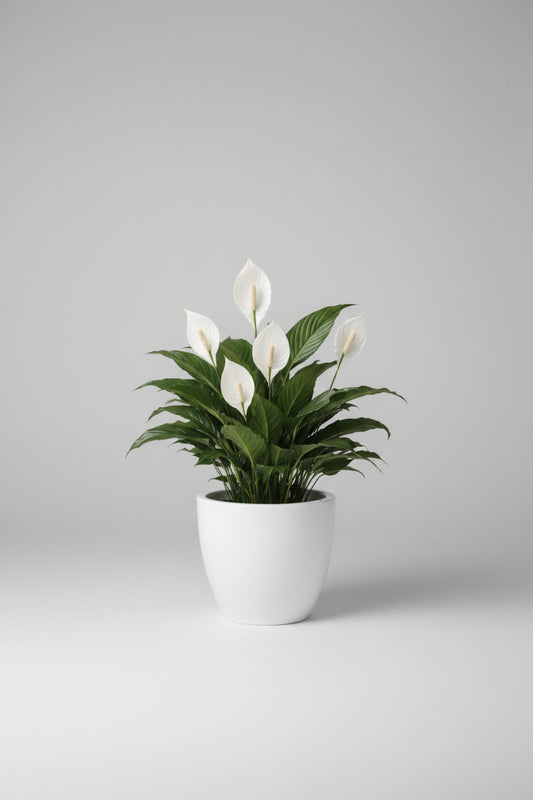
Not every "get well soon" gift is headed to a hospital, and when the recipient is recovering at home, the restrictions above simply do not apply. There are no restrictions for home delivery — a hand-tied bouquet, a vase arrangement, or a potted plant are all fine choices, and the decision comes down to personal preference rather than any ward rule. One point worth considering: a potted plant tends to last considerably longer than cut flowers, which can make it a nice choice for a longer recovery, giving the recipient something living to care for and watch grow over the weeks rather than a bouquet that will naturally fade within a week or two. If you know the recovery period will stretch on, a plant from our plants & home decor collection is worth considering alongside, or instead of, cut flowers.
Choosing Between a Bouquet and a Plant
Neither option is objectively better — it depends on what you know about the person and the situation. A bouquet or vase arrangement makes an immediate visual impact and suits a shorter recovery, a specific "thinking of you" moment, or simply a recipient who loves fresh flowers regardless of how long they last. A potted plant is the quieter, longer-lasting option, well suited to someone facing a longer recovery, someone who appreciates a bit of greenery around the house, or simply as a companion gift alongside flowers rather than a replacement for them. If you are unsure, it is entirely reasonable to send both — a bouquet for the immediate gesture, and a plant that will still be there weeks later.
Same-Day Delivery and Timing
The same-day cutoff for this collection is 9 PM Dubai. Because hospital deliveries involve an extra step — confirming with the ward before we deliver — it is worth placing hospital orders as early in the day as you reasonably can, rather than right up against the cutoff, simply to give our team enough time to check with the ward and still make same-day delivery if the ward confirms flowers are accepted. Home deliveries do not carry this same constraint, since there is no ward to check with, so the 9 PM cutoff applies more straightforwardly there.
A Gentle Note on Tone
Sending flowers when someone is unwell is a genuinely kind gesture, and it does not need to be complicated — a bright, low-scent arrangement, a short note, and knowing the practical details (ward, patient name, whether flowers are accepted) covers most of what matters. We are not in a position to offer medical guidance, and nothing here should be taken as such; if you are ever unsure whether flowers are appropriate for someone's specific situation, the ward or the patient's family will always know better than we can from a checkout page. What we can do is make sure the flowers themselves are well suited to a hospital environment, low in scent, bright in colour, and delivered with the right information attached so they reach the right person, on the right ward, without causing any disruption.
What to Write in a Get-Well Card
A short, warm note tends to matter more than a long one when someone is unwell — energy for reading is often limited, and a brief, sincere message is usually appreciated more than an elaborate one. Simple, genuine wishes work well: that you are thinking of them, that you hope they feel better soon, or a small personal note referencing something specific to your relationship. It is generally best to keep the tone light and hopeful rather than dwelling on the illness itself, and to avoid speculating about diagnosis, recovery time, or outcomes — a short, kind message focused on care and support tends to land better than one that tries to say too much.
Sending on Behalf of a Group
Get-well flowers are often sent by more than one person — a team at work, a group of friends, or a family pooling together for something a little more generous. If you are ordering on behalf of a group, it is worth choosing a slightly larger arrangement to reflect the number of people the gesture represents, and including everyone's names (or the team or company name) in the card message so the recipient knows who to thank. For a workplace gift, it is also worth checking with a colleague who knows the situation well whether hospital delivery is even appropriate at that stage — sometimes a home delivery timed for after discharge is the more considerate option, particularly if the person is still in a ward that restricts flowers or visitors.
Understanding Why Hospitals Restrict Flowers
It can feel frustrating to be told a hospital ward will not accept flowers, especially when the gesture is well-intentioned, but the restriction is rarely arbitrary. Hospitals manage limited space at each bedside, shared air in wards with multiple patients, and infection-control routines that vary by unit — all of which can make fresh flowers, and the water they sit in, an added complication in certain settings. Intensive care units in particular tend to prioritise clear surfaces and minimal additional items around a patient, which is part of why ICU wards commonly do not accept flowers at all. None of this reflects on the thoughtfulness of the gift itself — it simply means the hospital's own rules, not ours, determine what can reach a specific ward, which is exactly why we check before delivering rather than assuming.
Timing a Get-Well Delivery
Unlike a birthday or anniversary, a get-well gift rarely has a fixed date attached to it — the "right" time to send flowers is really whenever you hear the news and want the recipient to know you are thinking of them. That said, a few small considerations can help. Early in a hospital stay, before you know which ward someone has settled into, it may be worth waiting a day or reaching out to family for the right details rather than guessing. Once someone is home and recovering, there is no such uncertainty, and flowers or a plant can be sent whenever feels right — whether that is the day they arrive home, or a week or two into recovery, when a fresh gesture can be a welcome lift partway through a long stretch of rest.
Frequently Asked Practical Questions
Most questions about get-well deliveries come down to hospital logistics: what information we need (hospital, ward, and patient name), whether we check the ward accepts flowers first (yes, always, before delivering), and which wards commonly do not accept flowers (ICU among them, though this varies by hospital). The FAQ section below covers these questions and others, including guidance on flower choice and container format, in more detail.
Explore More From Melora Greens
If a longer-lasting gift feels right for a longer recovery, our plants & home decor collection is worth a look, and a vase arrangement is generally the more practical choice for hospital delivery, since it arrives ready to stand on its own. If you are instead choosing flowers for a loss rather than an illness, our sympathy & condolence collection is built specifically for that different, more sensitive occasion.
Frequently Asked Questions
What information do you need for a hospital delivery?
Please provide the hospital name, ward, and patient name at checkout. Our team confirms with the ward that flowers are accepted before delivering.
Do all hospital wards accept flowers?
No. Some wards, including ICU, do not accept flowers at all. We always check with the ward before attempting delivery so your gift isn't turned away.
Which flowers do you recommend for a hospital room?
We recommend sunflowers, yellow or peach roses, and alstroemeria — bright and low-scent choices well suited to a hospital setting.
Are there flowers I should avoid sending to a hospital?
We would advise avoiding heavily fragranced blooms such as oriental lilies in hospital settings, since a strong scent can be overwhelming in a small or shared room.
Does my arrangement come with a vase?
Cylinder and box arrangements arrive ready to stand on their own. A hand-tied bouquet does not include a vase unless one is added, which is worth considering for hospital delivery.
What is the same-day cutoff time?
The same-day cutoff is 9 PM Dubai. For hospital orders, ordering earlier in the day helps give our team time to confirm with the ward.
Are there restrictions for flowers sent to someone recovering at home?
No, there are no restrictions for home delivery — bouquets or potted plants are both fine, and a plant will generally last longer than cut flowers.
Should I send flowers or a plant for a longer recovery?
Either is appropriate, but a potted plant tends to last considerably longer, which can make it a nice choice alongside or instead of cut flowers for an extended recovery.


